Buy passion-for-excellence.com ?
We are moving the project
passion-for-excellence.com .
Are you interested in purchasing the domain
passion-for-excellence.com ?
domain@kv-gmbh.de · 0541-91531010
Buy passion-for-excellence.com ?
How was the first language translated?
The first language was likely translated through a combination of oral communication, gestures, and drawings. As early humans interacted with different groups, they would have needed to find ways to communicate with each other, leading to the development of basic translation methods. Over time, these methods evolved into more sophisticated systems, such as written language and formal translation processes. The need for translation has been a constant throughout human history, driving the development of language and communication. **
Which Germanic language was the first?
The first Germanic language is believed to be Proto-Germanic, which was spoken by the Germanic tribes in the early centuries AD. Proto-Germanic eventually evolved into the various Germanic languages we know today, such as German, English, Dutch, and Swedish. Proto-Germanic is considered the common ancestor of these languages and is the earliest known form of the Germanic language family. **


Similar search terms for First language
Top-Angebote
Products related to First language:
-
KC Cubs: Educational Rug: ABC Alphabet ASL Sign Language, 5x7' PlaymatKC CUBS 5X7 ABC ALPHABET ASL SIGN LANGUAGE RUG - Introduce your child to the world of American Sign Language (ASL) in the most colorful and engaging way with the KC Cubs ASL Alphabet Educational Rug.81,99 $*Shipping: 0,00 $Secure redirect to the provider
-
KC Cubs: Educational Rug: ABC Alphabet ASL Sign Language, 3x5' PlaymatKC CUBS 3X5 ABC ALPHABET ASL SIGN LANGUAGE RUG - Introduce your child to the world of American Sign Language (ASL) in the most colorful and engaging way with the KC Cubs ASL Alphabet Educational Rug.53,99 $*Shipping: 0,00 $Secure redirect to the provider
-
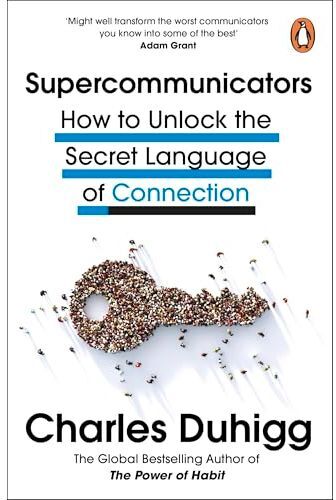
Penguin Supercommunicators: How to Unlock the Secret Language of Connection by Charles DuhiggWho and what are supercommunicators? They're the people who can steer a conversation to a successful conclusion. They are able to talk about difficult topics without giving offence. They know how to make others feel at ease and share what they think. They're brilliant facilitators and decision-guiders. How do they do it? In this groundbreaking new book, Charles Duhigg unravels the secrets of the supercommunicators to reveal the art – and the science – of successful communication. He unpicks the different types of everyday conversation and pinpoints why some go smoothly while others swiftly fall apart. He reveals the conversational questions and gambits that bring people together. And he shows how even the most tricky of encounters can be turned around. In the process, he shows why a CIA operative was able to win over a reluctant spy, how a member of a jury got his fellow jurors to view an open-and-shut case differently, and what a doctor found they needed to do to engage with a vaccine sceptic. Above all, he reveals the techniques we can all master to successfully connect with others, however tricky the circumstances. Packed with fascinating case studies and drawing on cutting-edge research, this book will change the way you think about what you say, and how you say it.9,99 £*Shipping: 2,99 £Secure redirect to the provider
-
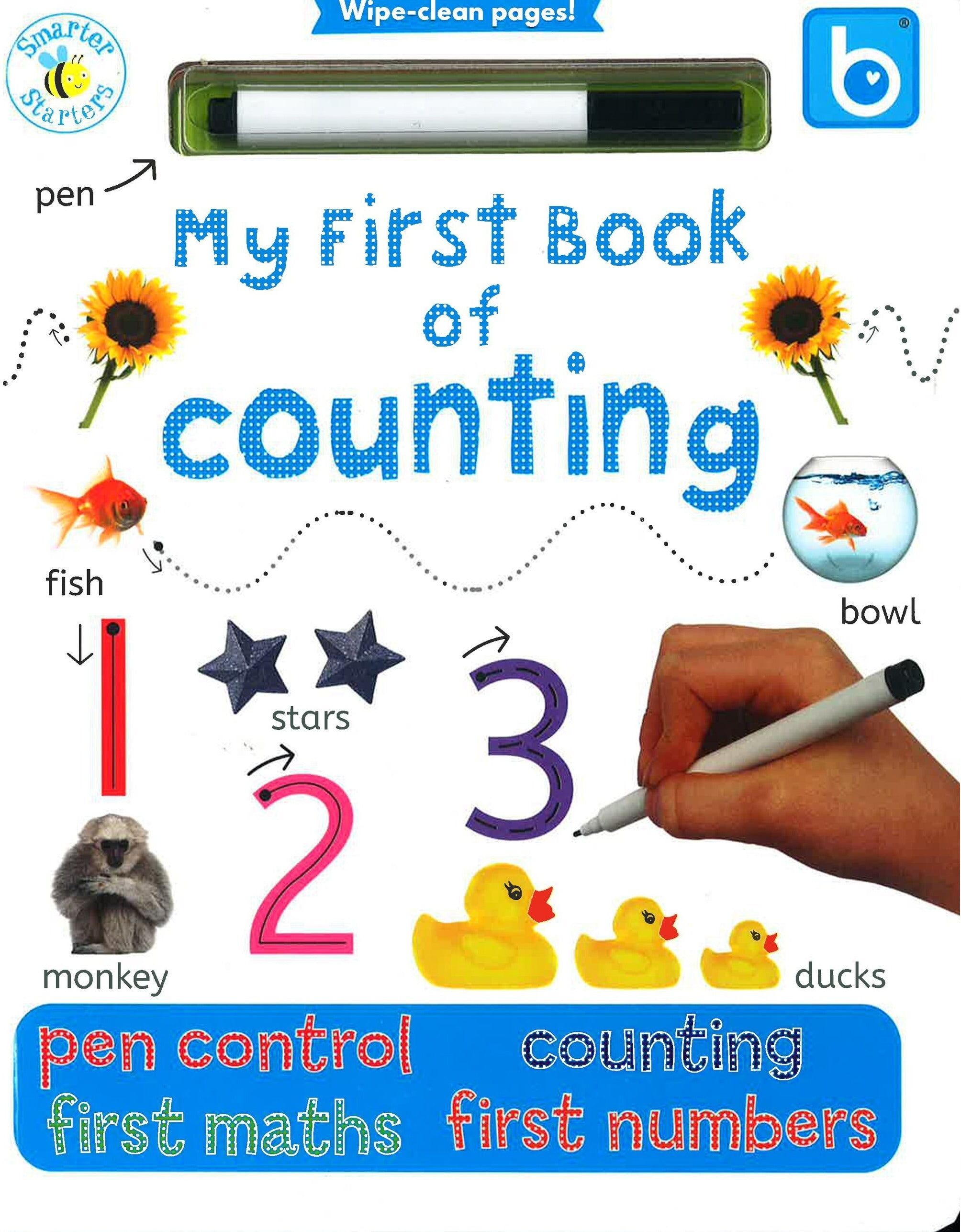
Blue Bubble Books My First Book Of Counting Pen control, Counting, First Maths, First NumbersThe book is designed to support your child early years development. In this book you will find simple exercises for you to help your child with, combined with an element of fun, which will not only engage them but help to development confidence. The activities in this book are designed to assist with learning to recognise, say and write numbers. The use of the supplied pen also supports the development of fine motor skills and pen control. The pages can be wiped clean with a cloth, enabling your child to practise time and time again until they are confident with each exercise.4,85 £*Shipping: 1,99 £Secure redirect to the provider


-
Should I learn traditional sign language first?
Learning traditional sign language first can be beneficial as it provides a strong foundation in the language and culture of the Deaf community. It also allows for better communication with Deaf individuals and a deeper understanding of their experiences. However, it is also important to consider the specific context and goals for learning sign language. For some individuals, learning a more widely used sign language, such as American Sign Language (ASL), may be more practical and beneficial in their personal or professional lives. Ultimately, the decision to learn traditional sign language first depends on individual circumstances and goals. **
-
How was the first programming language developed?
The first programming language, known as "Assembly language," was developed in the early 1950s. It was created to provide a more human-readable way to write machine code, which is the language that computers understand. Assembly language allowed programmers to use mnemonic codes and symbols to represent the machine code instructions, making it easier to write and understand. This laid the foundation for the development of higher-level programming languages that are even more human-readable and easier to use. **
-
Which language came first, French or Spanish?
Latin is the parent language of both French and Spanish, and it came first. As the Roman Empire expanded, Latin spread throughout the region, eventually evolving into different Romance languages, including French and Spanish. While it's difficult to pinpoint an exact date for the emergence of these languages, French and Spanish began to diverge from Latin and develop their own unique characteristics around the 9th and 10th centuries. **
-
How can one change the first language?
Changing one's first language is a complex process that requires a significant amount of time, effort, and dedication. It involves immersing oneself in the new language through activities such as reading, writing, speaking, and listening. Additionally, seeking out language exchange partners or enrolling in language courses can provide structured learning opportunities. Consistent practice and exposure to the new language are crucial for developing fluency and proficiency. It's important to be patient and persistent, as changing one's first language is a gradual and ongoing process. **
What was the first language on Earth?
It is impossible to determine the first language spoken on Earth as languages have been evolving and developing for thousands of years. Additionally, the origins of language are not well-documented, making it difficult to pinpoint the first language. It is likely that the first languages were simple forms of communication that developed among early human populations. Linguists continue to study the origins of language and the development of different language families to better understand the history of human communication. **
Which programming language should I learn first?
If you are new to programming, I would recommend starting with a language like Python. Python is known for its simplicity and readability, making it a great choice for beginners. It is also widely used in various fields such as web development, data analysis, and artificial intelligence, so learning Python can open up a lot of opportunities for you. Once you have a good grasp of the fundamentals of programming, you can then explore other languages based on your interests and career goals. **
Top-Angebote
Products related to First language:
-
Monika Blunder Beauty Body Language Botanical Oil 100mLA body oil for dull skin. Intense hydration: Almond, Rosehip, and Marula Oils quench dryness. Natural luminosity: Meadowfoam oil gives skin a dewy sheen. Antioxidant protection: Edelweiss Extract defends against free radicals. Soft, supple skin: Arnica maintains skin's softness and suppleness. Transform your skin with Body Language Oil —a luxurious blend of nourishing oils and potent antioxidants.54,73 £*Shipping: 7,11 £Secure redirect to the provider
-
Everyday Crate Smart Azan Prayer Clock With Hijri Calendar, Temperature Display & Dual Language Alarm Smart Azan Prayer Clock With Hijri Calendar, Temperature Display & Dual Language AlarmFeel confident knowing every prayer time is right at your fingertips. This Azan clock is designed for Muslims who want a simple, reliable way to stay connected to daily prayers while keeping track of time, date, and temperature. Featuring automatic...49,97 $*Shipping: 0,00 $Secure redirect to the provider
-
KC Cubs: Educational Rug: ABC Alphabet ASL Sign Language, 5x7' PlaymatKC CUBS 5X7 ABC ALPHABET ASL SIGN LANGUAGE RUG - Introduce your child to the world of American Sign Language (ASL) in the most colorful and engaging way with the KC Cubs ASL Alphabet Educational Rug.81,99 $*Shipping: 0,00 $Secure redirect to the provider
-
KC Cubs: Educational Rug: ABC Alphabet ASL Sign Language, 3x5' PlaymatKC CUBS 3X5 ABC ALPHABET ASL SIGN LANGUAGE RUG - Introduce your child to the world of American Sign Language (ASL) in the most colorful and engaging way with the KC Cubs ASL Alphabet Educational Rug.53,99 $*Shipping: 0,00 $Secure redirect to the provider
-
How was the first language translated?
The first language was likely translated through a combination of oral communication, gestures, and drawings. As early humans interacted with different groups, they would have needed to find ways to communicate with each other, leading to the development of basic translation methods. Over time, these methods evolved into more sophisticated systems, such as written language and formal translation processes. The need for translation has been a constant throughout human history, driving the development of language and communication. **
-
Which Germanic language was the first?
The first Germanic language is believed to be Proto-Germanic, which was spoken by the Germanic tribes in the early centuries AD. Proto-Germanic eventually evolved into the various Germanic languages we know today, such as German, English, Dutch, and Swedish. Proto-Germanic is considered the common ancestor of these languages and is the earliest known form of the Germanic language family. **
-
Should I learn traditional sign language first?
Learning traditional sign language first can be beneficial as it provides a strong foundation in the language and culture of the Deaf community. It also allows for better communication with Deaf individuals and a deeper understanding of their experiences. However, it is also important to consider the specific context and goals for learning sign language. For some individuals, learning a more widely used sign language, such as American Sign Language (ASL), may be more practical and beneficial in their personal or professional lives. Ultimately, the decision to learn traditional sign language first depends on individual circumstances and goals. **
-
How was the first programming language developed?
The first programming language, known as "Assembly language," was developed in the early 1950s. It was created to provide a more human-readable way to write machine code, which is the language that computers understand. Assembly language allowed programmers to use mnemonic codes and symbols to represent the machine code instructions, making it easier to write and understand. This laid the foundation for the development of higher-level programming languages that are even more human-readable and easier to use. **
Similar search terms for First language
-
Penguin Supercommunicators: How to Unlock the Secret Language of Connection by Charles DuhiggWho and what are supercommunicators? They're the people who can steer a conversation to a successful conclusion. They are able to talk about difficult topics without giving offence. They know how to make others feel at ease and share what they think. They're brilliant facilitators and decision-guiders. How do they do it? In this groundbreaking new book, Charles Duhigg unravels the secrets of the supercommunicators to reveal the art – and the science – of successful communication. He unpicks the different types of everyday conversation and pinpoints why some go smoothly while others swiftly fall apart. He reveals the conversational questions and gambits that bring people together. And he shows how even the most tricky of encounters can be turned around. In the process, he shows why a CIA operative was able to win over a reluctant spy, how a member of a jury got his fellow jurors to view an open-and-shut case differently, and what a doctor found they needed to do to engage with a vaccine sceptic. Above all, he reveals the techniques we can all master to successfully connect with others, however tricky the circumstances. Packed with fascinating case studies and drawing on cutting-edge research, this book will change the way you think about what you say, and how you say it.9,99 £*Shipping: 2,99 £Secure redirect to the provider
-
Blue Bubble Books My First Book Of Counting Pen control, Counting, First Maths, First NumbersThe book is designed to support your child early years development. In this book you will find simple exercises for you to help your child with, combined with an element of fun, which will not only engage them but help to development confidence. The activities in this book are designed to assist with learning to recognise, say and write numbers. The use of the supplied pen also supports the development of fine motor skills and pen control. The pages can be wiped clean with a cloth, enabling your child to practise time and time again until they are confident with each exercise.4,85 £*Shipping: 1,99 £Secure redirect to the provider
-
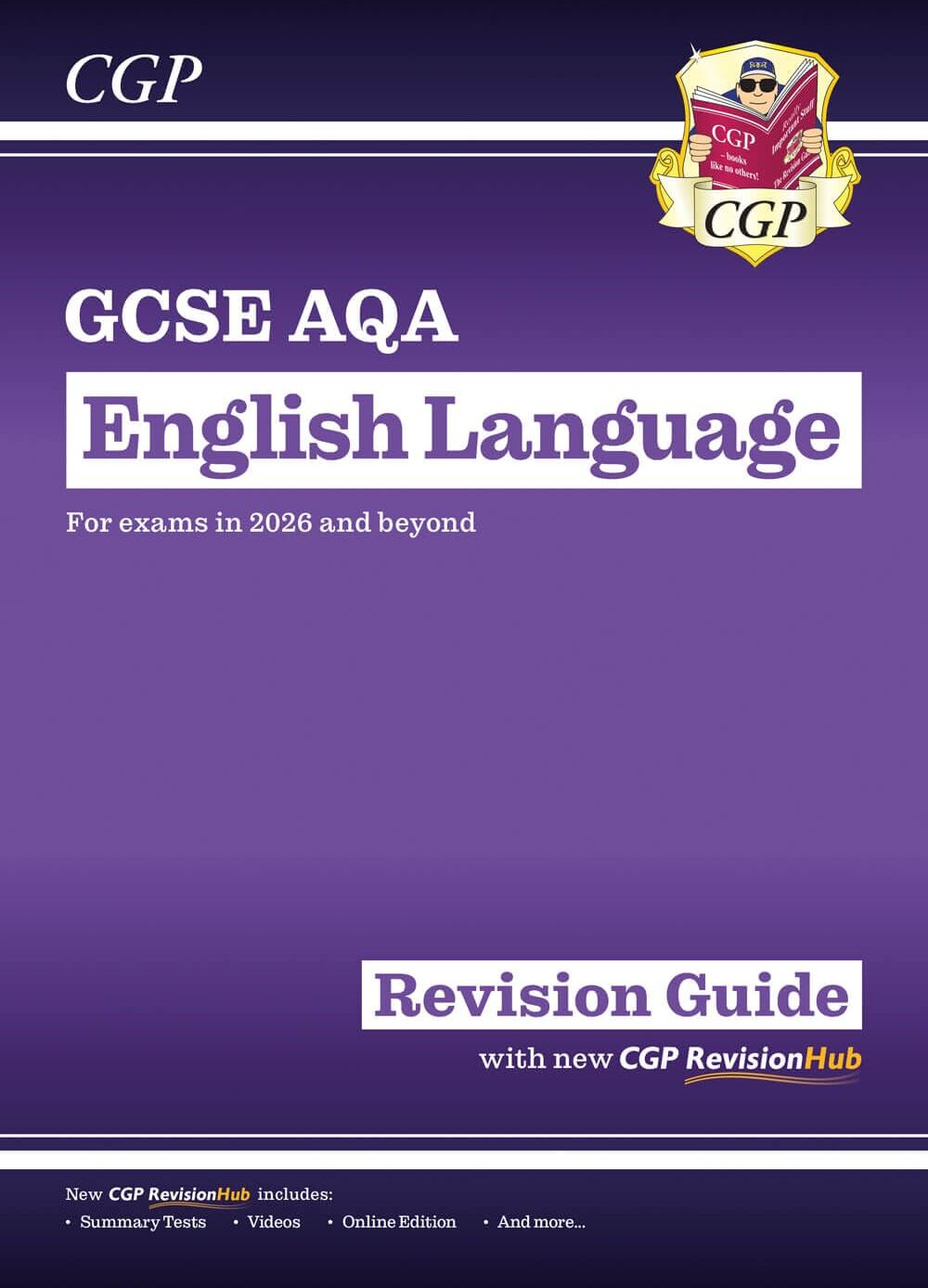
CGP Books CGP GCSE English Language AQA Revision Bundle – Revision Guide, Workbook & 10-Minute TestsCGP Books are simply the best for revision! This brilliant 3-book bundle is just the thing for AQA GCSE English Language. It has all the revision and practice kids need to feel totally prepared for the exams. GCSE English Language AQA Revision Guide with CGP RevisionHub (9781782943693) GCSE Spelling, Punctuation and Grammar 10-Minute Tests (9781837742035) GCSE English Language AQA Exam Practice Workbook — with Answers and Videos (9781782943709) GCSE English Language AQA Revision Guide with CGP RevisionHub This brilliant CGP Revision Guide is the perfect companion to GCSE English Language. It's matched to the latest AQA course and comes with online revision in CGP RevisionHub to use alongside your book! In the book, there are: Study notes and examples covering every reading and writing skill Practice questions for every topic, with answers at the back In-depth exam advice from CGP's revision experts In CGP RevisionHub, you'll find: Revision Summary Tests with challenging questions to see how well you know each section Exam Skills Videos explaining how to tackle each question type in the exams Graded Sample Answers for each paper, so you know what you're aiming for And an Online Edition of the entire book ― amazing! GCSE Spelling, Punctuation and Grammar 10-Minute Tests This splendid 10-Minute Tests book is packed with essential SPaG practice for GCSE. It contains 30 quick-fire tests (that’s five hours of practice in all), split into separate sections for Spelling, Punctuation and Grammar - plus a section of mixed practice to really put students' knowledge to the test. It’s also perfect for helping students scoop the full 5% of SPaG marks in their English Literature, History, Geography and Religious Studies exams! We’ve even included all the answers, because it’s never fun to be left guessing. GCSE English Language AQA Exam Practice Workbook — with Answers and Videos This Exam Practice Workbook is loaded with practice questions for the latest GCSE AQA English Language exams ― with detailed answers included at the back! Every reading and writing skill is covered, with plenty of sample texts throughout the book. And there's a full set of practice papers at the end to put your skills to the test. We've also added a section where you can mark sample answers to exam questions, and helpful video walkthroughs explaining how to answer each question type. It's perfect for getting to grips with the kinds of questions you'll have to answer in the exam.18,99 £*Shipping: 2,99 £Secure redirect to the provider
-
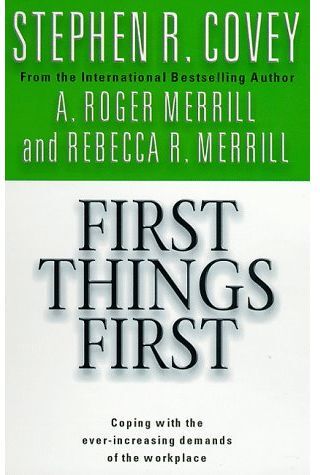
Simon & Schuster First Things First by Stephen R CoveyIn the spirit of THE 7 HABITS OF HIGHLY EFFECTIVE PEOPLE, the international bestseller, FIRST THINGS FIRST is a revolutionary guide to managing your time by learning how to balance your life. Traditional time management suggests that working harder, smarter and faster will help you gain control of your life, and that increased control will bring peace and fulfilment. The authors of FIRST THINGS FIRST disagree. In the first real breakthrough in time management in years, Stephen R. Covey, A. Roger Merrill and Rebecca R. Merrill apply the insights of the 7 HABITS to the daily problems of people who must struggle with the ever increasing demands of work and home life. Rather than focusing on time and things, FIRST THINGS FIRST emphasises relationships and results. And instead of efficiency, this new approach emphasises effectiveness. Covey offers a principle-centred approach that will empower readers to define what is truly important; to accomplish worthwhile goals; and to lead rich, rewarding and balanced lives.6,99 £*Shipping: 2,99 £Secure redirect to the provider
-
Which language came first, French or Spanish?
Latin is the parent language of both French and Spanish, and it came first. As the Roman Empire expanded, Latin spread throughout the region, eventually evolving into different Romance languages, including French and Spanish. While it's difficult to pinpoint an exact date for the emergence of these languages, French and Spanish began to diverge from Latin and develop their own unique characteristics around the 9th and 10th centuries. **
-
How can one change the first language?
Changing one's first language is a complex process that requires a significant amount of time, effort, and dedication. It involves immersing oneself in the new language through activities such as reading, writing, speaking, and listening. Additionally, seeking out language exchange partners or enrolling in language courses can provide structured learning opportunities. Consistent practice and exposure to the new language are crucial for developing fluency and proficiency. It's important to be patient and persistent, as changing one's first language is a gradual and ongoing process. **
-
What was the first language on Earth?
It is impossible to determine the first language spoken on Earth as languages have been evolving and developing for thousands of years. Additionally, the origins of language are not well-documented, making it difficult to pinpoint the first language. It is likely that the first languages were simple forms of communication that developed among early human populations. Linguists continue to study the origins of language and the development of different language families to better understand the history of human communication. **
-
Which programming language should I learn first?
If you are new to programming, I would recommend starting with a language like Python. Python is known for its simplicity and readability, making it a great choice for beginners. It is also widely used in various fields such as web development, data analysis, and artificial intelligence, so learning Python can open up a lot of opportunities for you. Once you have a good grasp of the fundamentals of programming, you can then explore other languages based on your interests and career goals. **
* All prices are inclusive of VAT and, if applicable, plus shipping costs. The offer information is based on the details provided by the respective shop and is updated through automated processes. Real-time updates do not occur, so deviations can occur in individual cases. ** Note: Parts of this content were created by AI.